In the News
Please direct media inquiries to mediarelations@aah.org.
See media procedures

Dr. Natalie Luehmann, a breast surgeon at Aurora BayCare Medical Center, stopped by the Fox 11 Field House to talk about breast cancer risk and early signs. October is Breast Cancer Awareness Month, a time to draw attention to the disease that affects one in every eight women.

Jess was diagnosed with Stage 0 breast cancer and opted for a bilateral mastectomy. After healing from the mastectomy, Jess underwent breast reconstruction to complete her journey and regain her confidence. At Aurora BayCare, each patient has an individualized treatment plan, allowing for conversation and guidance every step of the way.

Dr. Andrew Kirkpatrick, an orthopedic surgeon at Aurora BayCare Medical Center, stopped by the Fox 11 Field House to talk about in-office carpal tunnel release surgery. The procedure releases nerve compression in the wrist in about 20 minutes, allowing patients to go home the same day.

Dr. Adam Sawyer, a pediatrician at Aurora BayCare Medical Center, stopped by the Fox 11 Field House to talk about children's stomachaches and when parents should be concerned. Stomachaches are incredibly common and often can be treated at home with rest and the BRAT diet (bananas, rice, applesauce, and toast.)

Dr. William Witmer, a cardiologist at Aurora BayCare Medical Center, stopped by the Fox 11 Field House to talk about healthy lifestyles and daily habits that can affect overall heart health. To promote heart health, people should aim for about 150 minutes of exercise per week and eat a diet rich in vegetables, whole grains, and lean protein. Individuals should also limit sodium intake, manage blood pressure, and quit smoking and tobacco use. If you are experiencing symptoms such as chest pain, tightness, pressure, or a rapid heartbeat, you should consult your doctor.
Learn more about heart-healthy lifestyles at Aurora BayCare: https://www.aurorabaycare.com/services/heart/cardiology/

Erin was diagnosed with Crohn’s disease as a teenager and had a difficult time managing her weight. While on a hiking trip in Canada, Erin realized how much her weight was slowing her down. In 2020, she met with the care team at Aurora BayCare Medical Center, and Erin decided to move forward with bariatric surgery. She lost 100 pounds and says the biggest change is the life she can now live.

Dr. Demet Gokalp Yasar, a hematologist and oncologist at Aurora BayCare Medical Center, stopped by the Fox 11 Field House to talk about skin cancer signs and symptoms. Skin cancer is incredibly common, and she urges patients to watch for changes to moles and spots.

Dr. Haroon Zubair, a cardiologist at Aurora BayCare Medical Center, stopped by the Fox 11 Field House to talk about a heart procedure known as TAVR. TAVR stands for Transcatheter Aortic Valve Replacement. The procedure allows patients to have their aortic valve replaced without open-heart surgery.
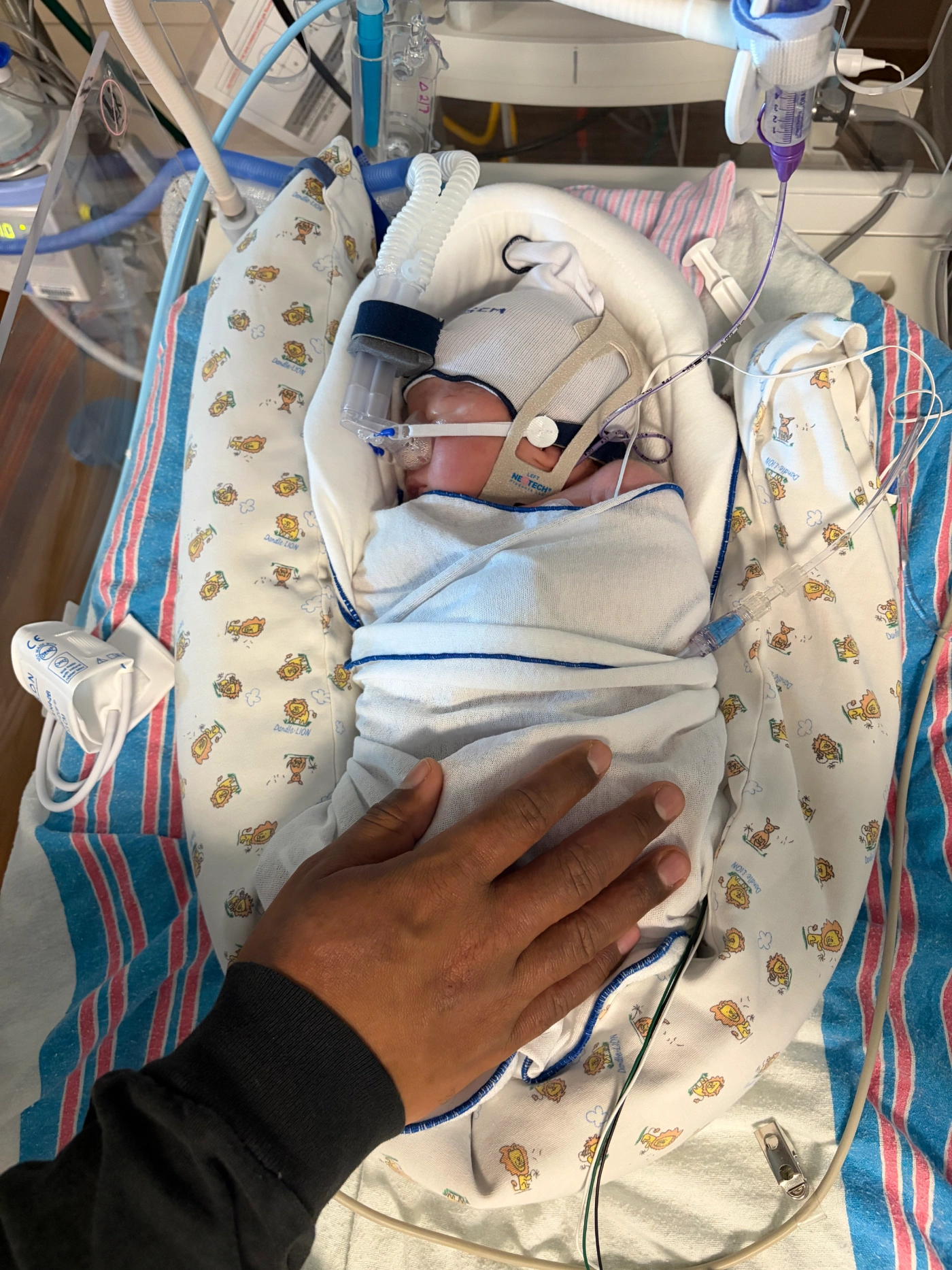
Liv was diagnosed with a condition that made her pregnancy high-risk. As a result, her son would have to be delivered prematurely at 36 weeks. Upon delivery, her son, Sonny, was admitted to Aurora BayCare Medical Center’s NICU, where he received care to help him develop further, learning to breathe and eat independently. After 18 days, Sonny was discharged and reunited with his family.

Kristina and her husband tried to get pregnant on their own for a few years before deciding they might need help. They turned to Aurora BayCare Medical Center’s fertility clinic and began their journey with IVF. Following a few rounds of IVF, Kristina is now pregnant and due at the end of October.

Dr. Michael Schnaubelt, an orthopedic surgeon at Aurora BayCare Medical Center, stopped by the Fox 11 Field House to talk about total joint replacement. The surgical procedure replaces a damaged hip, knee or shoulder joint with an artificial implant.

Dr. Elizabeth Dickson, a gynecologic oncologist at Aurora BayCare Medical Center, stopped by the Fox 11 Field House to talk about post-menopausal bleeding. The definition of menopause is going 12 consecutive months without a menstrual period. Any vaginal bleeding that occurs after this point is considered abnormal and should be evaluated

Aurora BayCare Medical Center partnered with the YWCA to offer girls in the community a chance to explore medical careers involving science, technology, engineering, art and math. The fourth annual TechGYRLS event allowed students to see real-world examples and gain hands-on experience with tools used in the medical field

Michaela Bemis, an occupational therapist at Aurora BayCare Medical Center, stopped by the Fox 11 Field House to talk about a technology called vagus nerve stimulation. The device uses gentle electrical pulses to stimulate neural pathways. It is used alongside occupational therapy to assist patients recovering from strokes or brain injuries.

Jennifer had a strong family history of cancer, so she knew she needed to be cautious with her own health and decided to get genetic testing. Her results showed that she carried two genetic mutations that increased her risk for cancer, which placed her at Aurora BayCare Medical Center’s High Risk Cancer Clinic. In 2023, she opted for a bilateral mastectomy, where they found and removed a tiny lump of cancer.

Dr. Armaan Shaikh, a cardiologist at Aurora BayCare Medical Center, stopped by the Fox 11 Field House to talk about coronary artery disease. Coronary artery disease is the most common type of heart disease and occurs when the arteries narrow or become blocked due to plaque buildup. Many risk factors are preventable, and being proactive can help mitigate the risk of developing heart disease.

Kerri and her husband started their fertility journey in 2021 after trying to conceive naturally. With the help of the fertility clinic at Aurora BayCare Medical Center, the couple decided on IVF and had her egg retrieval in August of 2021. After two separate and successful transfers, she now has two beautiful kids.

Miranda was diagnosed with pneumonia, but after a month she still didn't feel well. Her instincts told her she needed to dig deeper and get some answers. At an appointment with her primary care provider at Aurora BayCare Medical Center, she discussed her concerns. Her provider listened and took the time needed to dig in. After some tests, it was discovered that she had a large aortic aneurysm and was immediately rushed in for emergency heart surgery.

When Joel was 18, he learned that he had benign tumors growing along the nerves in his spine called neurofibromas. As they grew, Joel wasn’t able to stand or walk. He underwent multiple surgeries to remove the tumors, but he needed to learn to walk again. With the help of physical therapy at Aurora BayCare Medical Center, Joel is not only walking, but has his sights set on running.

Julia was exhausted by simple tasks for years, and it only worsened over time. After previous heart-related diagnoses, doctors at Aurora BayCare Medical Center began monitoring her heart and discovered that she would eventually need a heart valve replacement. Her team monitored her condition for the ideal window for surgery. When that time came, Julia was able to have a minimally invasive procedure using a catheter, instead of open-heart surgery

Knowing what to do when someone is suffering cardiac arrest can be a matter of life and death. Aurora BayCare Medical Center is teaming up with the Compress and Shock Foundation to host a free training program on June 7 to help the community learn how to support someone experiencing symptoms of cardiac arrest.

Jim suffered his first stroke in 2017, which affected his mobility and speech. Then, just two years later, he suffered from another stroke. Since then, Jim, his wife Denise, and the team at Aurora BayCare Medical Center have been working on his recovery journey. Recently, Jim got a new implanted device that stimulates his vagus nerve and assists with movement. Since beginning this new treatment and continuing therapy, Jim has seen great improvements in his mobility and grip.

Elaine didn’t feel well the day she was headed in for an appointment she had at Aurora BayCare Medical Center. By the time she arrived, it was evident to her driver and the team at the front desk that something wasn’t right. Elaine was suffering from an ischemic stroke. Though she arrived outside the traditional stroke treatment window, her care team followed new guidelines to administer clot-busting medication within a safe, extended window of time. Elaine’s symptoms were reversed.

When Kyle started his weight loss journey, he was making progress, but as a former collegiate athlete, pain from old injuries started to reappear. Working with a physical therapist at Aurora BayCare Medical Center, Kyle began blood flow restrictive therapy. This therapy helped work his muscles without the pain he was previously experiencing. Kyle saw immediate results and has been able to continue his weight loss journey.

When Patty was diagnosed with Parkinson’s, she knew she needed to seek support. In late 2024, after a severe episode, she ended up in the hospital and experienced memory loss, difficulties walking, and struggled with communicating. Knowing that Parkinson’s is a lifelong diagnosis, Patty began speech therapy at Aurora BayCare. She re-learned how to swallow and be cognizant of how her voice sounds. Adjusting how she communicates and practicing her new skills will help with her speech long term.

Over the course of a few days, Jessica lost the ability to taste, close one eye, smile on one side of her face, and had severe pain in her ear. She was diagnosed with Ramsey Hunt Syndrome, a condition caused by the reactivated chicken pox virus that can cause damage to facial nerves. While many people with the syndrome recover on their own, Jessica needed facial therapy to help retrain the muscles in her face.

The ACL, or anterior cruciate ligament, is one of the four major stabilizing ligaments in the knee. An ACL tear almost always results in surgery, since the ligament cannot regrow itself. Clayton and Andy both experienced ACL tears playing rugby and spent the months after surgery committed to their rehabilitation to get back in action.

Lucas and Reece have faced significant health challenges at young ages. Lucas spent the last two years battling cancer, while Reece faced a life-threatening brain bleed that required emergency surgery last fall. Despite these challenges, the boys demonstrated resilience. Their Aurora BayCare providers nominated them for a trip of a lifetime to Brewers Spring Training that let them enjoy time just being kids.

Ryan struggled with breathing through his nose his whole life due to a deviated septum. During the day it felt like he was living with a constant cold; at night, the impact was more dire. A sleep study revealed that he stopped breathing up to 41 times an hour, a sign of severe sleep apnea. He was prescribed a CPAP machine but later opted for a long-term solution and underwent surgery to repair his deviated septum. Today, his life has changed. He can breathe easy day and night and no longer needs a CPAP machine.
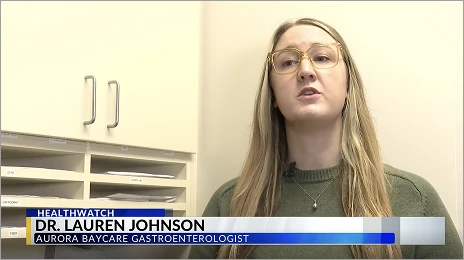
Cheri was diligent about keeping up with her health appointments, so when a colonoscopy was recommended at age 45, she made the appointment. With no risk factors or symptoms, she wasn’t worried about the results. When she awoke from the procedure, she learned that they had removed several polyps. A few days later she got the call that she had colon cancer. She underwent surgery to remove the cancerous area of her colon, which was fortunately curative because the caught the cancer early. Today, she’s encouraging others to take health screenings seriously and schedule their colonoscopy.

Anna had struggled with weight her whole life. Now a mom of three, she knew something needed to change. In addition to the physical challenges of being overweight, the emotional struggles were taking a toll. Her primary care doctor recommended a GLP-1, and she partnered with a dietitian to make other lifestyle changes. She lost nearly 90 pounds and now has more healthy habits in place for long-term success.

Allen had an active lifestyle, so when he started getting winded, he knew something was wrong. His diagnosis was Atrial Fibrillation, or AFib, where the heart’s upper chambers beat out of sync due to misfiring veins causing an irregular heart rate. When his symptoms progressed, his team at Aurora BayCare recommended an atrial ablation, a procedure that surgically corrects the misfiring veins. Today he feels better than he has in years and is back to hiking and doing the activities he loves.

Stephanie was at Aurora BayCare Medical Center to undergo a bilateral double mastectomy following a breast cancer diagnosis when she found out she was pregnant. Her surgery was delayed while her multi-disciplinary team came up with a new treatment plan to protect the baby and fight the cancer.
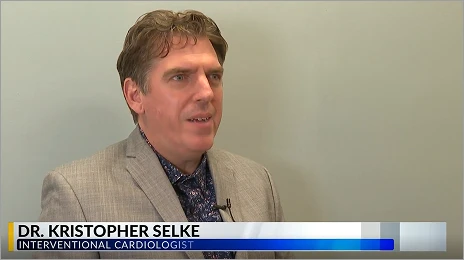
When Bob couldn’t make it to the top of his stairs without taking a rest, he knew he needed a solution for whatever was causing his shortness of breath. He was referred to Aurora BayCare cardiology and found that a leaky heart valve was causing his heart to work too hard. He underwent an aortic valve replacement and now has his sight set on getting back to downhill skiing with his grandchildren.
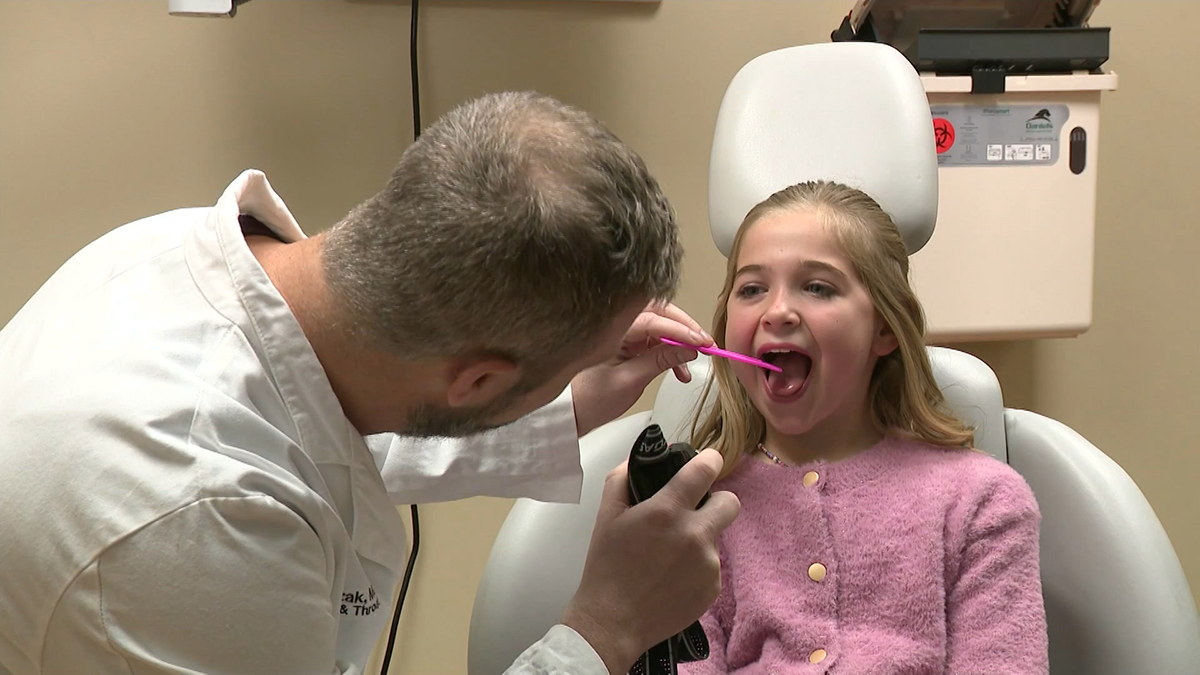
A routine visit to the dentist unveiled enlarged tonsils for Bree. Her mom, Abby, took her to see Dr. Slezak, an ENT at Aurora BayCare, and learned that her enlarged tonsils may be the cause of her restless sleep habits. With symptoms in line with pediatric sleep apnea, they decided to remove Bree’s tonsils and adenoids. Today Bree sleeps soundly and wakes up feeling rested.
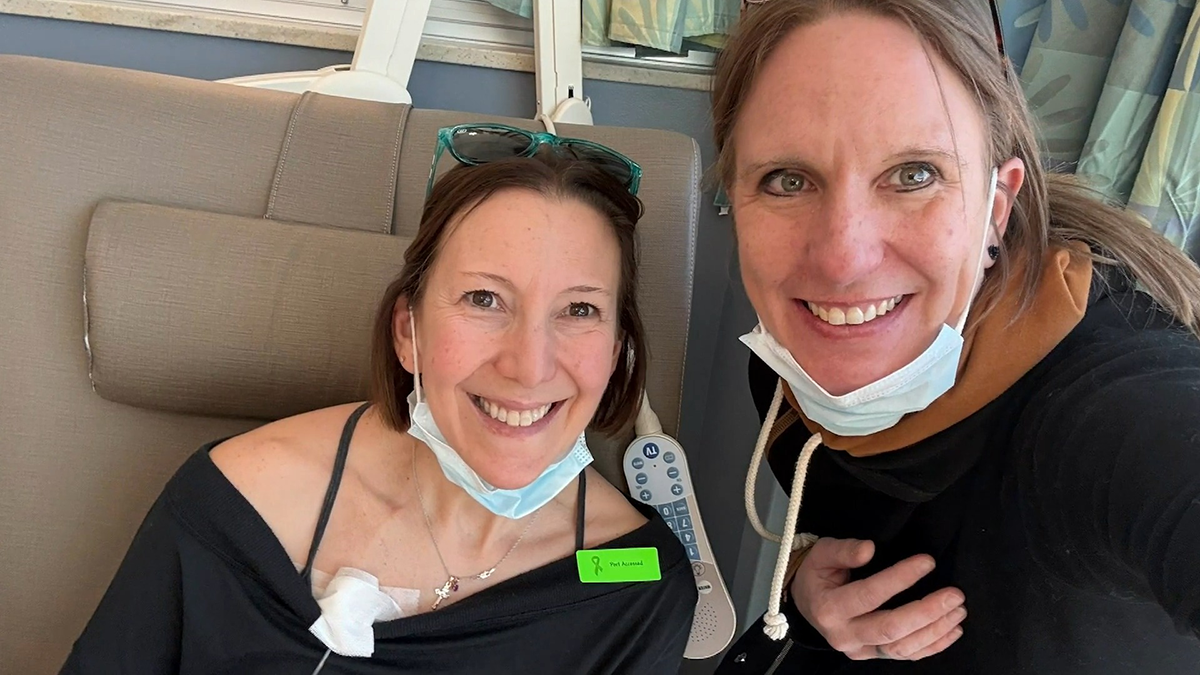
Nikki’s sister was diagnosed with breast cancer in 2024, and further testing indicated a BRCA 2 mutation. Since this is genetic, and people with the mutation have a higher risk for several cancers, Nikki’s doctor recommended that she start advanced screening and undergo genetic testing. When Nikki also tested positive for BRCA2 mutation, her doctors at Aurora BayCare were able to come up with a proactive plan to fight back.